Types of 3PL providers and which one you actually need
"3PL" covers everything from a parcel carrier to a full-service partner that runs your entire logistics chain. Knowing the categories, and where 1PL, 2PL, 4PL and 5PL sit around them, tells you which kind of provider to shortlist.
The difference
Not all 3PLs do the same job
A transportation carrier, a freight forwarder and a warehouse that picks and packs your orders are all called 3PLs, but they solve different problems. Matching the type to the job you need doing is the difference between a partner that fits and one you outgrow, or never needed.
Specialist or end-to-end
Some 3PLs own one slice of the chain, moving parcels, arranging freight, or storing and shipping stock. Others are full-service, running the whole operation from receiving to returns. The more you want to hand over, the further along that spectrum you shop.
Asset-based or not
Asset-based 3PLs own the warehouses, trucks and equipment they use. Non-asset providers, brokers, forwarders and technology platforms, arrange and optimise other companies' assets instead. Both are valid; they just carry different cost, control and flexibility trade-offs.
The types of 3PL, from parcels to full service
- 01
Transportation-based
Providers whose job is moving goods from A to B, parcel carriers and couriers, across truckload, LTL, rail, air and sea. Many add tracking, route optimisation and last-mile services, and some warehousing for a fee.
- 02
Forwarder-based
Freight forwarders do not ship goods themselves. They sit between you and the carriers, negotiating rates, planning routes and arranging transport, and are usually expert at customs clearance for cross-border stock.
- 03
Warehouse / distribution-based
The classic ecommerce 3PL: it receives your stock, stores it, picks and packs orders, ships them and handles returns. Many also offer kitting and assembly. This is the type most online sellers mean by '3PL'.
- 04
Full-service
End-to-end providers that bring their own transport, technology and processes to run the whole logistics function, from carrier relations and claims to analytics, and often advise on how to improve it.
- 05
Financial and IT-based
More consultants than operators: financial 3PLs handle freight audit, cost accounting and rate negotiation, while IT-based 3PLs are the platforms and marketplaces that broker and optimise logistics through technology.
- 01
1PL, first-party
You do it all yourself: your own goods, your own storage, your own delivery. No outsourcing at all, a manufacturer delivering its own products is a 1PL.
- 02
2PL, second-party
You outsource a single asset-based function, most often transport. A shipping line or courier that carries your freight on its own vehicles is a 2PL.
- 03
3PL, third-party
You outsource multiple, integrated logistics functions, storage, fulfilment, shipping and returns, to one provider that runs them as an extension of your operation.
- 04
4PL, fourth-party
You outsource the management of your logistics. A 4PL, or lead logistics provider, orchestrates several 3PLs and the whole supply chain on your behalf, usually without owning assets itself.
- 05
5PL, fifth-party
A 5PL designs and runs entire supply-chain networks, aggregating the demand of multiple clients and leaning heavily on technology and automation to optimise across all of them.
Know which type you need?
Once you have pinned down the kind of provider that fits, the directory lets you match to European partners by the countries they serve, the platforms they connect to, and how they handle carriers, COD and VAT/IOSS, so the shortlist is the right type from the start.
What is the types of 3PL providers?
The types of 3PL providers describe the different forms a third-party logistics company can take, grouped by what they focus on: transportation-based (moving goods), forwarder-based (arranging freight and customs), warehouse/distribution-based (storing stock and fulfilling orders), full-service (running the end-to-end chain), and financial or IT-based (auditing, brokering and optimising logistics through expertise or technology). They sit within the wider 1PL-to-5PL ladder, where the number reflects how much of the logistics function is outsourced, from doing everything in-house (1PL) to handing over the design and management of a whole supply-chain network (5PL).
Also called: 3PL categories, kinds of third-party logistics, 1PL 2PL 3PL 4PL 5PL, logistics provider types
The different kinds of 3PL, and which fits you
From the 1PL-to-5PL ladder to transport-, warehouse- and IT-based providers, the taxonomy that tells you what you are buying.
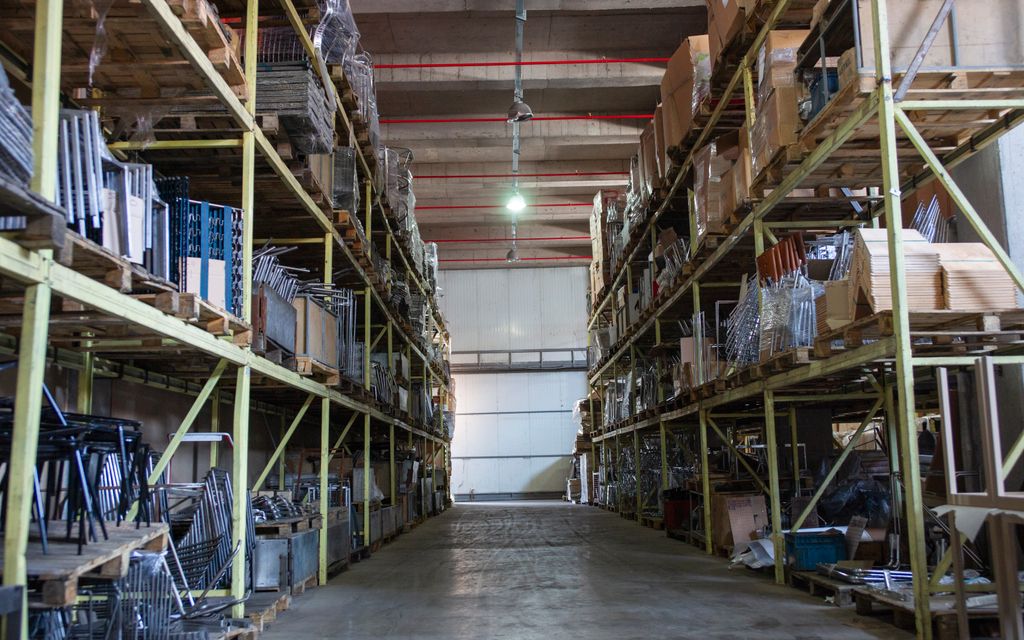
Not every '3PL' does the same job
The label 3PL covers a surprisingly wide range of businesses. There is the logistics ladder, 1PL (you do it yourself) up through 4PL and 5PL (orchestrators managing whole networks), and, within the 3PL band, several types built around different strengths. Transportation-based providers grew out of carriers and are strongest at moving goods. Warehouse and distribution-based providers are built around storing and shipping stock. Forwarder-based ones specialise in international freight and customs. Full-service providers combine storage, fulfilment and transport under one roof, while financial- and IT-based providers lead with systems, visibility and supply-chain software. Knowing which type you are talking to explains why two 'fulfilment' quotes can describe such different services.

Match the type to the problem you have
The right type depends on what you actually need solved. If your challenge is daily ecommerce order fulfilment, a warehouse and distribution or full-service provider fits best, they store your stock and ship your orders. If your problem is getting goods into Europe cheaply, a forwarder-based provider earns its place. If you are drowning in a lack of visibility across an existing network, an IT-led provider may matter more than one with more forklifts. Most growing ecommerce brands need a full-service 3PL that both holds stock and ships orders with good systems behind it. Understanding the taxonomy stops you hiring a freight specialist to run your order fulfilment, or a pure warehouse to do a shipping job.
Common questions
What are the main types of 3PL providers?
The common categories are transportation-based (parcel carriers and couriers), forwarder-based (freight forwarders that arrange transport and customs), warehouse/distribution-based (storage, fulfilment and returns), full-service (end-to-end logistics), and financial or IT-based providers that audit costs or broker logistics through technology. Many real-world 3PLs blend two or more of these.
What is the difference between 1PL, 2PL, 3PL, 4PL and 5PL?
The number reflects how much logistics you outsource. A 1PL does everything in-house. A 2PL outsources one asset-based function, usually transport. A 3PL outsources several integrated functions, storage, fulfilment and shipping, to one provider. A 4PL manages your 3PLs and supply chain for you. A 5PL designs and runs whole logistics networks, often across multiple clients using technology.
Which type of 3PL is right for ecommerce?
Most online sellers need a warehouse/distribution-based 3PL: one that receives stock, stores it, picks and packs orders, ships them and handles returns, with a real integration into their store. If you also import stock from overseas, you may pair it with a forwarder-based 3PL for the freight and customs into the country.
What is an asset-based versus non-asset-based 3PL?
An asset-based 3PL owns the physical resources it uses, warehouses, vehicles, equipment, and operates them directly. A non-asset-based 3PL, such as a broker, forwarder or technology platform, arranges and optimises other companies' assets instead. Asset-based providers offer more direct control; non-asset providers often offer more flexibility and reach.
Is a freight forwarder a type of 3PL?
Yes. A freight forwarder is a forwarder-based 3PL: it does not move goods on its own vehicles but arranges and manages transport between you and the carriers, and typically handles customs. It is the type you use to get bulk stock into a country, not to store and ship individual orders to your customers.