Dangerous goods fulfilment in Europe, shipped legal, not stuck
Regulated goods have their own rulebook: the wrong storage or a non-compliant label and the shipment is refused, seized or fined. Find European partners in the directory, then confirm each one can store your products safely and pack and dispatch them to ADR.
The difference
Handled to spec, shipped without a compliance stop
Dangerous-goods fulfilment is a compliance question before it is a logistics one. Above set quantities, aerosols, flammables and lithium batteries need storage that meets national hazardous-substance and fire rules. Parcel carriers accept them only as limited quantities or under battery exemptions, usually on a dangerous-goods agreement, and fully regulated shipments need specialist services. FulfilEU's matching does not check dangerous-goods capability, so shortlist partners on countries, platforms and volume, then ask each one which classes and quantities it can store and ship.
Licensed storage and correct classification
Ask partners which hazard classes and quantities their site may store, how they classify each product (UN number, class and, where one applies, packing group), and whether it can ship as a limited quantity, the things that decide whether stock can be held and shipped at all.
Compliant packaging and carrier routing
Ask how they pack to dangerous-goods rules, from limited-quantity packaging and marks to UN-specification packaging and transport documents for fully regulated goods, and which carriers accept your products, so the parcel is accepted, not rejected at the depot.
How dangerous goods fulfilment works
- 01
Declare what you ship
Create a store profile with the platforms you sell on, your product categories, monthly volume and the European markets you ship to, and list your products' hazard classes, lithium batteries, aerosols, flammable liquids, corrosives and so on, ready to share with partners.
- 02
Compare shortlists
Dangerous-goods capability is not a directory field, so partners are ranked on the countries you ship to, your needs, platforms and volume. Use the shortlist to decide whom to ask about hazard classes, storage limits and carriers, not as proof they can handle them.
- 03
Request an intro
Send a request with a message describing your products, hazard classes and volumes, so a partner can say whether it can take them and quote against real regulated handling, packaging and carrier surcharges. Your brand stays anonymous until the partner accepts.
- 01
Classify and store legally
Each product is classified from its safety data sheet to its UN number, hazard class and, where one applies, packing group, and held in storage that meets the national hazardous-substance and fire rules for its quantities.
- 02
Pack to dangerous-goods rules
Orders are packed to the rules that apply: limited-quantity packaging and the LQ mark for most consumer products, the lithium-battery mark where batteries need it, and UN-specification packaging, hazard labels and transport documents for fully regulated shipments.
- 03
Dispatch on cleared carriers
The shipment goes out on a carrier service that accepts the product, usually under a dangerous-goods agreement with the carrier, with any paperwork attached and tracking back to your store, so a regulated order moves like any other.
Get your regulated orders shipping
Start from the directory, or publish a store profile and let the matching rank European partners on fit, then ask each one which dangerous goods it can store, pack and dispatch.
What is dangerous goods fulfilment?
Dangerous goods fulfilment is order fulfilment for products classified as dangerous for transport under ADR (road), the ICAO Technical Instructions and IATA Dangerous Goods Regulations (air) and the IMDG Code (sea), including lithium batteries, aerosols, flammable liquids, corrosives and many cosmetics, paints and cleaning products. It differs from standard fulfilment because the goods must be stored within the national hazardous-substance and fire rules that apply to their hazard and quantity, packed to the rules for how they ship, from limited-quantity packaging and marks to UN-specification packaging and transport documents for fully regulated goods, and sent only with carriers that accept them. A dangerous-goods 3PL trains its staff in ADR and sets up its storage and carrier agreements for these products, so a merchant can sell regulated products without operating a compliant warehouse themselves. Getting classification, packaging or carrier choice wrong means refused, seized or fined shipments, so the service is defined by compliance as much as by speed.
Also called: hazmat fulfilment, ADR fulfilment, hazardous goods 3PL
Storing and shipping regulated hazardous goods
Why aerosols, batteries and flammables need an ADR-compliant partner, not a warehouse hoping the rules do not apply.
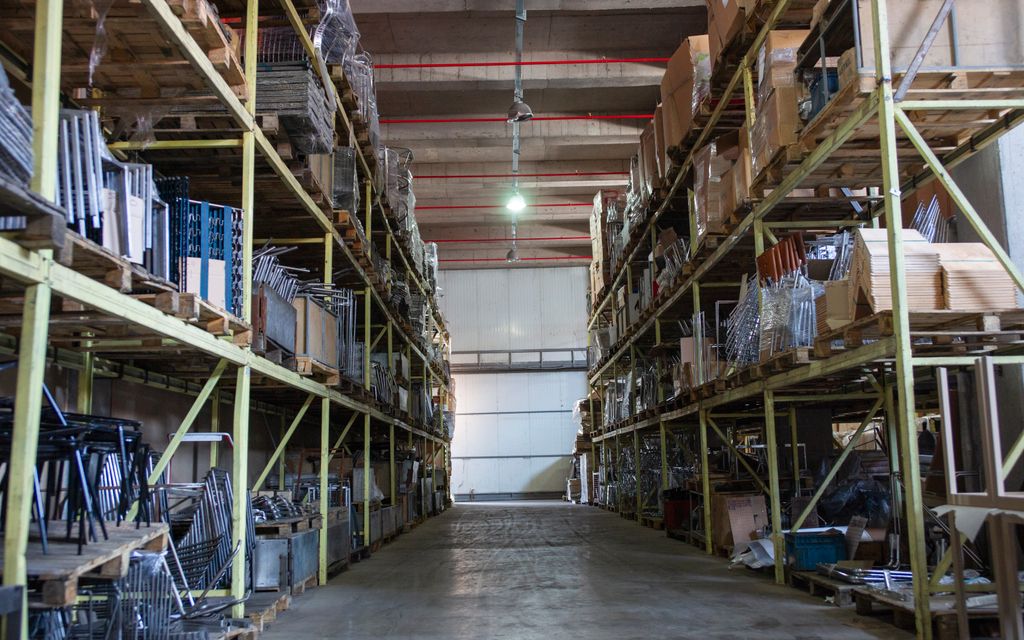
Hazmat is regulated storage and carriage, not standard fulfilment
Aerosols, lithium batteries, flammable liquids and many cosmetics and cleaning products are classified as dangerous goods. Carrying them by road is governed by ADR across Europe, while storing them falls under national hazardous-substance and fire rules, with the largest stocks also covered by the EU Seveso Directive. That changes everything about how they are handled: how they are stored and segregated, how much can be held in one place, how they are packed and labelled, and which carriers will accept them. Not every fulfilment centre is set up for this, so check that staff are ADR-trained, that storage meets national limits for your quantities, and that the carrier accepts your products. Shipping hazmat through a partner that skips these steps is not a shortcut, it is a compliance breach waiting to become a refused shipment, a fine, or worse. Dangerous-goods fulfilment exists because the regulation is real and non-negotiable.

Look for the licences, not the reassurance
A capable dangerous-goods partner in Europe can show the evidence: storage permits where your quantities require them, segregation by hazard, ADR training records for the staff who pack and dispatch, a dangerous goods safety adviser where ADR requires one, and dangerous-goods agreements with carriers on your lanes. The paperwork, declarations, safety data sheets, correct markings, has to be right every time, because it is exactly what gets checked. When you evaluate a partner, ask which classes and quantities of dangerous goods they can store and ship, and get it in specifics rather than a general yes. Fulfilment that treats hazmat compliance as a core competence, with the records to prove it, is the only kind worth trusting with regulated stock.
Common questions
What counts as dangerous goods in fulfilment?
Anything classified as dangerous for transport: lithium batteries and devices containing them, aerosols, perfumes and other flammable liquids, corrosives, oxidisers, and many cosmetics, paints, glues and cleaning products. If a product's safety data sheet lists a UN number in section 14, or it contains or ships with a lithium battery, it needs dangerous-goods handling, even when an exemption lets it travel with a normal parcel carrier. A CLP hazard pictogram on its own does not always mean it is regulated for transport.
Why can't a normal 3PL just ship my hazardous products?
Because storing and transporting hazardous goods are both regulated. National hazardous-substance and fire rules set how much a warehouse can hold and how it must be stored, and the requirements tighten as quantities grow. Parcel carriers accept most consumer products only as limited quantities or under lithium-battery exemptions, usually on a dangerous-goods agreement, and non-compliant packaging or paperwork makes a shipment illegal to move. A dangerous-goods partner has ADR-trained staff, storage set up for your quantities, the right packaging and documents, and carriers that accept your products.
How are lithium batteries handled?
Lithium batteries are one of the most common regulated items in ecommerce and have their own rules depending on whether they ship alone, inside a device, or packed with one, and by transport mode. A capable partner classifies them correctly, applies the right lithium-battery marks and packaging, and routes them on carriers and services that accept them, including the extra care air transport requires.
Does dangerous goods fulfilment cost more?
Usually yes. Compliant storage, dangerous-goods packaging and marks, trained staff and carrier surcharges all add cost compared with standard fulfilment. It is priced against your specific hazard classes and volumes, so share your real product profile to get a quote that reflects the handling rather than a standard rate that will not hold.
Can I ship dangerous goods across the EU and by air?
Yes, within the rules for each mode: ADR governs road, the IMDG Code sea, and the ICAO Technical Instructions, applied through the IATA Dangerous Goods Regulations, air. The limits and packaging differ between them. Air is the most restrictive and some items are barred from it entirely. Ask a dangerous-goods partner which of your products can go by which mode into which markets, so you sell only what can actually be delivered.