Bonded warehouse in Europe, duty deferred until you sell
Paying import duty and VAT on stock the moment it lands ties up cash you have not earned yet. Find European partners and ask which run a customs warehouse that holds imported goods duty-suspended until they are released for sale or re-exported.
The difference
Held in bond, duty paid only when goods move
Import charges paid up front on a full container are cash locked in a warehouse. In a customs (bonded) warehouse, import duty and import VAT are suspended until stock is released into free circulation, so duty is not paid to customs months before the goods earn it, and re-exported stock avoids EU duty entirely. Import VAT is usually recoverable, and several EU countries let you account for it on your VAT return instead of paying at the border, so the cash-flow gain is mostly the duty. Bonded warehousing is not a directory field, so shortlist partners on countries, platforms and volume, then ask each one whether it operates a customs warehouse.
Duty and VAT suspended in bond
Ask partners whether they operate an authorised customs warehouse, so your imported stock sits with duty and import VAT suspended and charges fall due only as goods are released into free circulation, not the day the container lands.
Re-export flexibility
Ask whether stock held in bond can be re-exported outside the EU from their site, so EU import duty never becomes payable, useful if you distribute beyond Europe from an EU hub.
How a bonded warehouse works
- 01
Describe your imports
Create a store profile with the countries you serve, your platforms, product categories and monthly volume, and note what you import, from where, and how much stock you would hold in bond, ready to share with partners.
- 02
Compare shortlists
Bonded warehousing is not a directory field, so partners are ranked on the countries you serve, your needs, platforms and volume. Use the shortlist to ask which ones operate an authorised customs warehouse and also fulfil orders from it.
- 03
Request an intro
Send a request with a short message about your imports and markets, so a partner can explain how bond would work for your goods, including the customs guarantee, and quote against real bonded storage and release handling. Your brand stays anonymous until the partner accepts.
- 01
Receive into bond
Imported stock is declared into the customs warehousing procedure on arrival and entered in the warehouse's customs records, usually backed by a customs guarantee, so import duty and VAT do not fall due on arrival.
- 02
Hold and account
Goods are stored in bond with the customs records maintained, so the authorities can see what is held, and duty status is tracked per unit while stock waits to be sold or moved.
- 03
Release or re-export
When goods are released into free circulation, usually as orders come in, duty and import VAT become due and are declared; goods re-exported outside the EU can leave without EU import duty becoming payable.
Get your stock working, not your cash
Start from the directory, or publish a store profile and let the matching shortlist European partners, then ask which run bonded warehousing that defers duty until your goods actually move.
What is bonded warehouse?
A customs bonded warehouse is an authorised facility where imported goods can be stored with import duty and import VAT suspended until the goods are released into free circulation, rather than paid when the goods arrive. It is a customs procedure, so the operator holds a customs authorisation, usually provides a guarantee covering the suspended charges, and maintains customs records showing exactly what is held. The benefit is cash flow: instead of paying import charges on a whole shipment the moment it clears the border, a brand pays duty and VAT only as stock is actually released into the market, which can be weeks or months later. Bonded storage also offers re-export flexibility, goods that are subsequently shipped outside the EU can leave without EU import duty ever becoming due, which suits businesses that use an EU location as a distribution hub for wider markets. When combined with fulfilment, a bonded 3PL can both hold stock in bond and pick, pack and dispatch orders as goods are released.
Also called: customs bonded warehousing, bonded storage, duty-suspended warehouse
Holding stock in Europe with duty suspended
How a customs bonded warehouse frees up cash flow and re-export flexibility, and when it is worth the added process.
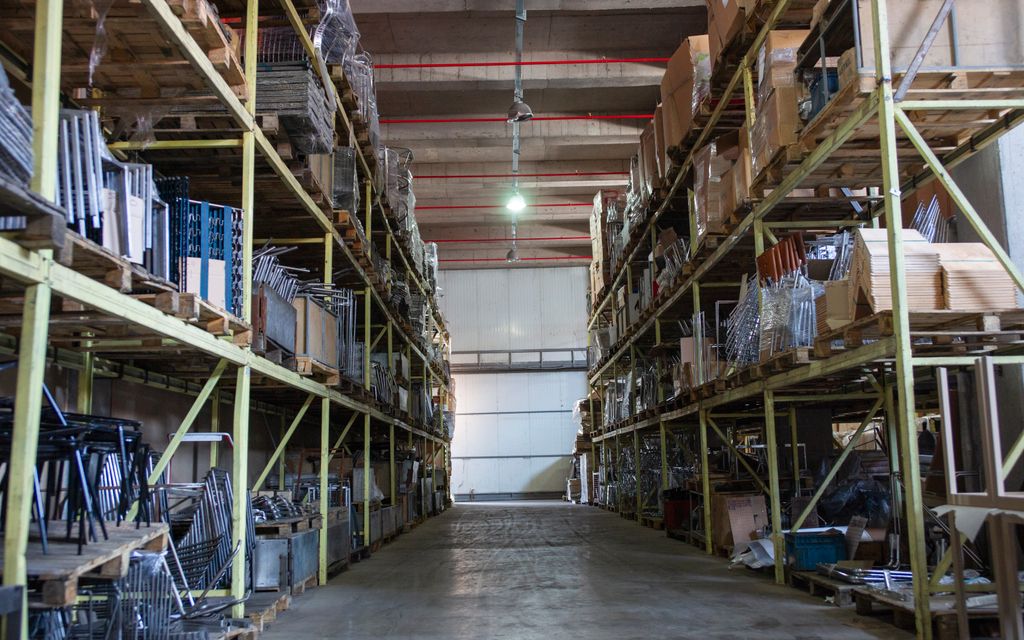
Duty and VAT deferred until goods are sold
A bonded warehouse is customs-approved storage where imported goods can sit inside the EU with import duty and VAT suspended, not waived, but deferred until the stock actually leaves the warehouse into free circulation. The cash-flow effect is the whole appeal. Instead of paying duty and VAT on an entire container the moment it lands, you pay only as goods are released to be sold, which keeps a large sum working in your business rather than tied up in tax on stock that might sit for months. Import VAT is usually recoverable on your VAT return, and in several EU countries it can be accounted for there instead of being paid at the border, so for many importers the real saving is the duty. For importers bringing in high-duty goods in bulk, or anyone whose stock turns slowly, that deferral can be the difference between comfortable and stretched. The trade-off is stricter record-keeping, a customs guarantee and a more controlled process than an ordinary warehouse. When you compare partners, confirm the facility holds a customs warehousing authorisation and how releases are handled, because the benefit only exists while the goods stay under bond.

Re-export flexibility without paying twice
The second reason to use a bonded warehouse is re-export. Goods held under bond that are later shipped out of the EU never enter free circulation, so EU import duty is never triggered on them at all, you avoid paying duty on stock that was only ever passing through. For a brand that uses a European hub to serve both EU and non-EU markets, that flexibility avoids the classic trap of paying import duty on arrival and then having no clean way to recover it when the goods leave again. Bonded storage lets you keep your options open: sell into the EU and pay duty then, or re-export and pay no EU duty. It suits distribution models where a meaningful share of stock is destined beyond the bloc. Ask partners about bonded capability and how they manage re-exports, since this is exactly where a bonded facility earns its extra process over a standard one.
Common questions
What is a bonded warehouse?
An authorised facility where imported goods are held with import duty and VAT suspended until the goods are released into free circulation. It is a customs regime, so the operator maintains customs records of what is stored. Duty and VAT fall due when stock leaves bond for the EU market, not when it arrives at the border.
Why use bonded storage?
Mainly cash flow. Instead of paying import charges on an entire shipment the day it clears customs, you pay duty and VAT only as stock is actually released, which can be much later. The biggest gain is usually the duty, since import VAT is normally recoverable and several EU countries let you account for it on your VAT return. It frees working capital that would otherwise sit paid-out against unsold stock, and it adds re-export flexibility for goods that may leave the EU again.
Does re-export avoid EU duty?
Goods held in bond that are subsequently re-exported outside the EU can leave without EU import duty ever becoming payable, because the duty was suspended, not paid, while they were in bond. This is useful if you use an EU location as a hub to distribute to non-EU markets. Your partner and a customs adviser can confirm how it applies to your goods.
Can a bonded warehouse also fulfil my orders?
Yes, a 3PL that operates bonded warehousing can hold stock in bond and pick, pack and dispatch orders as goods are released for sale, accounting for duty and VAT at that point. This combines the cash-flow benefit of bond with normal ecommerce fulfilment. Confirm a partner runs both, since not every bonded operator fulfils direct-to-consumer orders.
Is bonded storage worth it for my business?
It depends on your import volumes, how long stock sits before selling, and whether you re-export. The benefit grows with the duty you would otherwise pre-pay and how long that cash would be tied up. For high-value or slow-moving imported stock, or an EU distribution hub, it can matter a lot; for fast-selling low-duty goods, less so.