· 5 min read
How to choose a 3PL in Europe without guessing
Most 3PL shortlists are built on vibes and a pricing PDF. Here are the five things that actually decide whether a partner works for you.
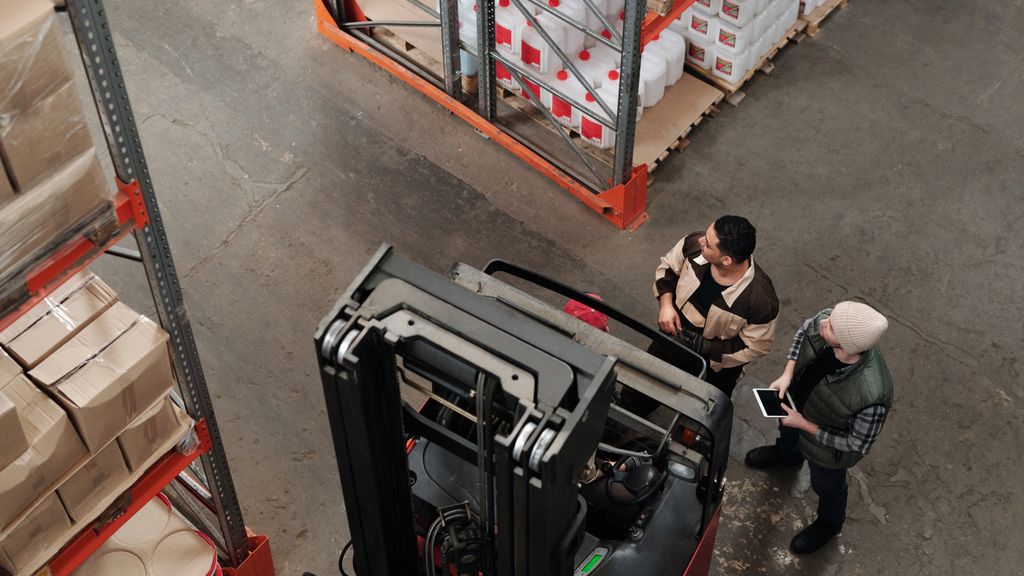
Most brands pick their first European 3PL the same way. Someone posts in a Slack group, three names come back, and whoever replies to the email fastest gets the contract. Six months later the same brand is migrating again, having learned something expensive about customs paperwork, which is a good reason to slow down and approach fulfilment in Europe by the capabilities that actually matter rather than by who markets hardest.
The problem is not that people are careless. It is that the things that actually decide whether a 3PL works for you are not the things that show up in a sales deck.
Here is what to look at, roughly in the order it will hurt you if you get it wrong.
Where they actually ship, not where they say they ship
"We ship across Europe" means almost nothing. Every 3PL ships across Europe in the sense that parcels can physically leave their warehouse and arrive somewhere else.
What you need to know is narrower. Which countries do they have real carrier rates for? Which ones do they hit next-day, and which are a four-day road freight leg with a handover? A warehouse in Poland serving Germany is a different proposition from the same warehouse serving Portugal, even though both are "Europe".
Ask for the country list with delivery windows attached. If the answer is a single number for the whole continent, you are talking to someone who has not thought about it.
Whether they handle the tax side or hand it back to you
This is the one that catches people. Cross-border ecommerce in the EU means VAT. When your stock sits in an EU warehouse, you generally need a VAT registration in that country, and sales to customers in other member states usually go through the One Stop Shop (OSS). When goods are shipped into the EU from outside in consignments worth 150 euros or less, it often means the Import One Stop Shop (IOSS). Since 1 July 2026 those low-value imports also carry a customs duty of 3 euros per item, which IOSS does not cover, so agree who pays that too.
Some 3PLs handle the VAT filings as part of the service, directly or through a tax partner. Some will apply your IOSS number to shipments but expect you to have obtained and to maintain it. Some do neither and will simply ship imports with duties and taxes unpaid (DAP), which means your customer gets a surprise bill at the door and you get a refund request.
All three are legitimate business models. Only one of them is what you assumed you were buying. Get it in writing, and get it before you sign, because discovering it during your first quarter of cross-border volume is a genuinely bad week.
Cash on delivery, if you sell where it matters
In a lot of Western European markets, cash on delivery is a rounding error and you can skip this section.
In Italy, Poland, Romania, Bulgaria and Greece it is not. COD can be a meaningful share of orders, and a 3PL that does not support it is quietly capping your conversion rate in those markets. Worse, COD introduces a reconciliation problem: money moves through the carrier before it reaches you, and someone has to track which orders were paid, which were refused, and where the cash currently is.
A 3PL that handles COD well has a process for this. A 3PL that has bolted it on will send you a spreadsheet once a month and let you work it out.
How they connect to your store
Integration quality is boring right up until it is the only thing you think about.
The question is not "do you integrate with Shopify". Almost everyone says yes. The question is what the integration actually does. Does it pull orders automatically, or does someone export a CSV twice a day? Does it push tracking numbers back to the store so your customer gets a notification, or do you do that manually? Does it sync inventory levels, and how often?
The gap between a real API integration and a scheduled CSV job is invisible in a demo and enormous in December. If you sell on more than one channel, ask specifically how orders from each are handled, because the answer is frequently different for the marketplace than for your own storefront.
What happens when something goes wrong
Every 3PL performs well when volume is flat and nothing is on fire. What you are actually buying is their behaviour on the bad days.
A few questions that get you real information:
- Who do I contact at 4pm on a Friday when a pallet has not arrived, and is that a person or a ticket queue?
- What is your process when a carrier loses a shipment, and who files the claim?
- What happened during your worst peak season, and what did you change afterwards?
That last one is the useful one. Everyone has had a bad peak. The ones worth working with can tell you specifically what broke and what they did about it. The ones who say it went fine are either new or not being straight with you.
Getting to a shortlist that means something
None of this requires a consultant. It requires writing down your actual constraints before you start looking, which almost nobody does.
Write down the countries you sell into now and the ones you expect to sell into within a year. Write down your platforms. Write down whether you need COD, whether you need IOSS handled for you, and whether you have anything unusual in the mix: oversized items, temperature control, Amazon prep, high return rates.
That list is your filter. Any 3PL that fails on a hard requirement is out, regardless of how good the pricing looks, because the pricing is for a service you cannot use.
What is left is a shortlist you can actually compare, and the comparison is now about quality and cost rather than about whether the thing is possible at all. That is a much better conversation to be having, and it takes an afternoon rather than a quarter.