· 5 min read
Using Parcel Lockers in Europe to Cut Shipping Costs and Failed Deliveries
Learn how parcel lockers in Europe work, where out-of-home delivery is preferred, how to offer it at checkout, and how it reduces costs and failed deliveries.
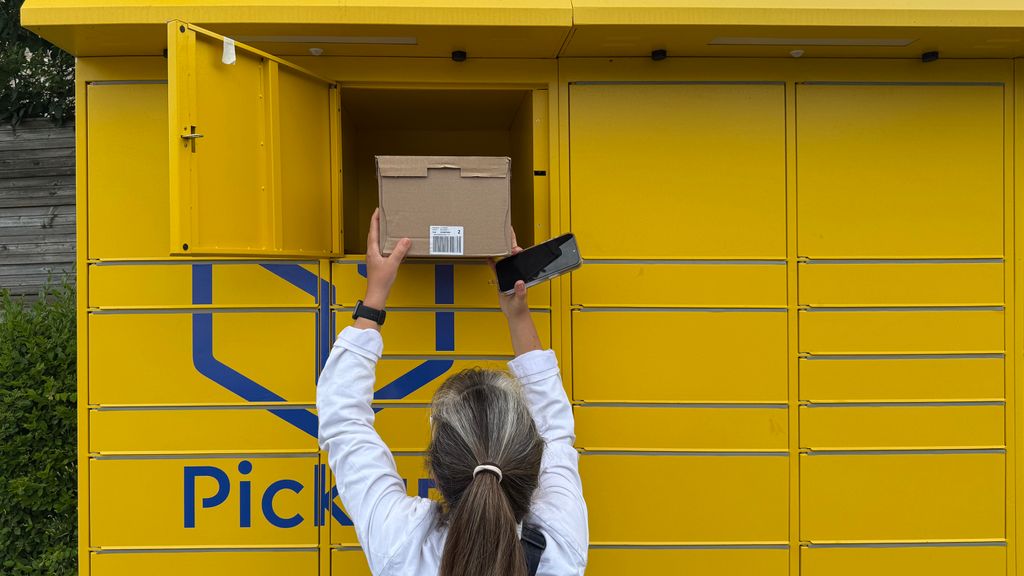
Using parcel lockers in Europe allows ecommerce brands to offer lower delivery fees, eliminate failed first-time attempts, and give customers round-the-clock pickup flexibility. While home delivery remains popular in some regions, out-of-home networks have become the standard preference for millions of online shoppers across the continent. Building an effective strategy for fulfilment in Europe requires understanding how these collection networks operate in different countries and integrating them cleanly into your store checkout.
Why Out-of-Home Delivery Matters Across European Markets
Out-of-home delivery includes two primary formats: automated parcel lockers located in public spaces and staffed pickup points inside retail stores or local shops. In many European nations, buyer expectations have shifted away from waiting at home for a courier window. Providing local collection options is no longer just a convenience feature; it is a primary driver of conversion at checkout.
Regional preferences vary significantly across borders. In Poland, parcel lockers are the overwhelming favourite for online orders, with consumers preferring self-service pickup over doorstep delivery. In France, relay points inside neighbourhood shops and dedicated pickup counters are deeply embedded in daily shopping routines. Across the Nordic region, centralised pickup locations inside supermarkets and post offices are standard practice due to lower population densities and established postal habits. Conversely, markets like the United Kingdom and Germany still lean heavily toward doorstep delivery, although locker networks in major urban centres are expanding rapidly.
Offering out-of-home delivery allows brands to meet local expectations when expanding across borders. Forcing a Swedish or Polish customer to pay for expensive home delivery when they prefer picking up a parcel near their office or home can lead to cart abandonment. Understanding these regional habits helps you tailor your shipping options to each target market.
How Do Parcel Lockers and Pickup Points Work at Checkout?
To offer out-of-home options effectively, your online store checkout must present available pickup locations based on the customer shipping address. This process relies on a direct software integration between your ecommerce platform, your shipping management software, and the carrier network.
When a customer selects pickup point delivery, an interactive map or list displays nearby locations based on their post code. The shopper selects their preferred locker or shop, and the checkout system saves the specific location identifier within the order metadata. This identifier must flow smoothly into your warehouse management system or third-party logistics provider.
If the location data is formatted incorrectly or stripped during order transmission, the warehouse cannot generate the correct carrier label. The carrier needs the precise access code or station identifier printed on the label to route the package into the automated locker or destination store. Ensuring your checkout app or shipping plugin syncs accurately with your fulfilment software prevents delayed shipments and manual address correction fees.
How Parcel Lockers Reduce Delivery Costs and Failed First Attempts
For ecommerce operators, shipping to parcel lockers and pickup points alters the fundamental economics of last-mile logistics. Courier companies prefer out-of-home deliveries because dropping dozens of packages at a single locker bank takes a fraction of the time and fuel required to make dozens of separate doorstep visits.
Because carriers operate with higher density and efficiency on these consolidated routes, they generally pass savings on to merchants through lower base shipping rates. Passing part of this discount to your customers can make your shipping pricing far more competitive, especially for lower-value cart sizes where standard delivery fees represent a high percentage of the order total.
Out-of-home delivery also eliminates failed first-time delivery attempts. Courier attempts to residential addresses often fail due to absent recipients, secure gate access issues, or missed doorbell rings. Failed attempts result in delayed orders, customer service tickets, and potential re-delivery surcharges from carriers. When a package is placed directly into a secure parcel locker or handed to a pickup point clerk, the delivery is completed on the first try. Customers receive an automated text message or mobile app notification containing a collection PIN or QR code, giving them several days to collect their parcel at their convenience.
Streamlining E-commerce Returns Through Locker Networks
Managing cross-border returns across Europe is often expensive and complex. Parcel locker networks provide a straightforward mechanism for simplifying the return drop-off process for buyers while keeping return freight costs manageable.
When a shopper initiates a return online, your system can generate a digital return label or a QR code. The customer takes the packaged item to any locker within the designated carrier network, scans the QR code at the screen, and places the parcel inside an open compartment. No printer is required if the locker terminal or local store prints the label automatically upon scanning.
This frictionless drop-off process improves customer satisfaction and speeds up return transit times. Because returned items are consolidated at central locker hubs before being trucked back to your fulfilment centre, return shipping rates are frequently lower than individual doorstep collection services. Furthermore, faster returns mean returned inventory arrives back at the warehouse quicker, allowing items to be inspected, re-stocked, and resold before seasonal demand fades.
What to Ask Your 3PL About Carrier Access and Locker Integration
If you work with an outsourced fulfilment provider in Europe, your ability to offer parcel lockers depends on their carrier integrations and operational capabilities. Not every 3PL supports out-of-home routing out of the box.
Before expanding into markets where lockers dominate, ask your fulfilment partner several targeted questions:
First, ask which carrier networks they support in your target regions and whether those carrier contracts include out-of-home delivery services. A warehouse that only ships via standard doorstep services will prevent you from offering locker checkout options.
Second, inquire how their warehouse management system handles pickup point address data. Your fulfilment provider must be able to automatically process location metadata and print carrier-compliant labels with accurate locker identifiers.
Third, confirm whether your provider offers multi-carrier routing. Relying on a single carrier may limit your access to lockers in certain countries where a rival operator controls the primary network. A flexible partner with access to multiple European carriers allows you to route orders through the strongest local out-of-home network in each destination country.
Finally, discuss how return shipments from locker networks are processed at warehouse receiving. Understanding how quickly incoming returns are logged and prepared for re-sale ensures your inventory stays accurate across all sales channels.