· 6 min read
An Introduction to Outsourced Ecommerce Fulfilment in Europe
A practical guide for growing online retail brands on how third-party logistics operates across European markets, from inventory intake to last-mile parcel delivery.
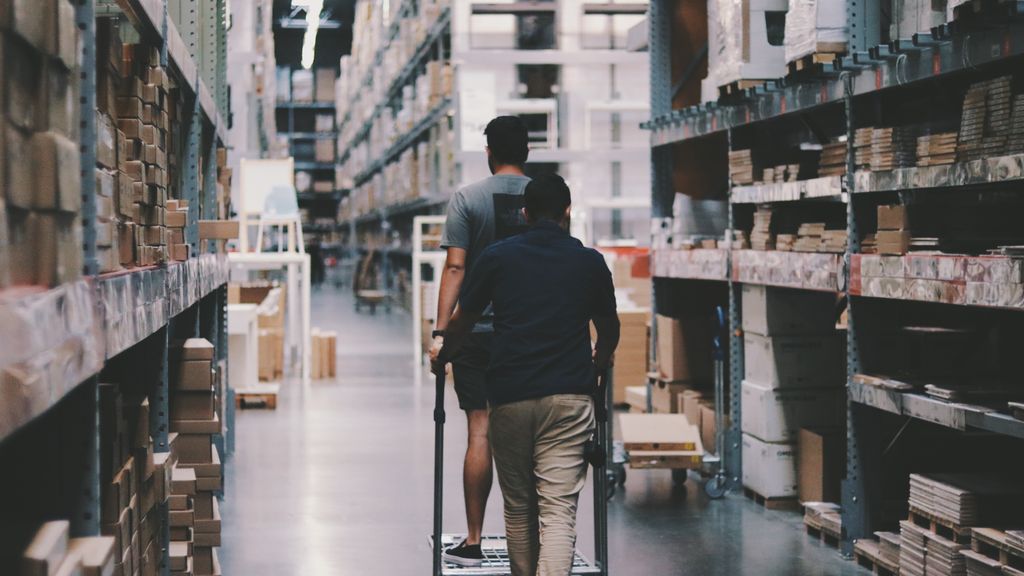
Outsourcing your warehouse operations to a third-party logistics provider allows an online store to ship orders quickly across international borders without leasing commercial property. Setting up fulfilment in Europe requires understanding how physical stock moves from manufacturers into regional warehouses and onto local courier networks. For growing direct-to-consumer brands, moving from self-directed packing to a professional warehouse operator is one of the most significant steps in business growth.
A third-party logistics provider, commonly abbreviated as a 3PL, takes over the physical handling of your merchandise. Instead of storing inventory in your garage, office, or small leased unit, you ship your products directly to a dedicated facility. The provider receives the stock, logs it into a management system, stores it securely, and picks and packs individual orders as customers place them on your online storefront.
What third-party enrolment and logistics involves
At its core, third-party logistics replaces internal manual labour with established warehouse infrastructure. When an order arrives on your website, your store software transmits the purchase details to the warehouse management system using an automated data connection. Warehouse staff or automated machinery locate the item in the facility, place it into shipping packaging, attach a postage label, and hand it to a carrier for delivery.
Outsourcing provides immediate scalability. During quiet periods, you pay only for the shelf space your goods occupy and the specific parcels shipped. During demand spikes, such as product launches or holiday sales, the logistics facility absorbs the increase in order volume without requiring you to hire temporary staff or rent temporary storage space. This turns fixed overhead expenses into flexible variable costs.
Receiving and stock intake
The fulfilment journey starts when your manufacturer sends goods to the warehouse. This stage is known as inbound logistics or stock intake. Before shipping goods to a third-party warehouse, you generate an advance shipping notice. This digital notification informs the warehouse receiving team exactly which items are arriving, the quantity of each stock keeping unit, and the expected delivery date.
When the delivery vehicle arrives at the warehouse loading dock, staff unload the pallets or cartons. They inspect the outer packaging for damage and cross-reference the physical contents against your advance shipping notice. If the counts match and the products are intact, staff register the inventory into the warehouse database. The stock becomes available for purchase on your sales channels immediately after registration. Accurate intake is essential, as mistakes made during receiving propagate through inventory counts and cause stockouts or mismatched deliveries later.
Warehousing and storage options
Once registered, goods move to dedicated storage locations within the warehouse. Storage methods vary depending on the physical characteristics of your product line. Standard goods travel on wooden pallets or inside cardboard cartons placed on heavy-duty industrial shelving. Smaller items, such as cosmetics or small electronic accessories, often sit in divided shelf bins for rapid manual access.
Different products require distinct environmental conditions. Apparel brands need clean, dry hanging or boxed storage to prevent damage and dust accumulation. Perishable goods, cosmetics, and certain electronic items require temperature-controlled environments to prevent spoilage or battery degradation. Secure high-value storage areas, often protected by locked cages and dedicated security cameras, house items prone to theft.
Storage pricing is usually calculated based on volume or footprint. Facilities charge per pallet position, per shelf bin, or per cubic metre of space used every month. Efficient inventory management involves maintaining sufficient stock to avoid missing sales while keeping inventory slim enough to minimise monthly storage fees.
Order picking, packing, and carrier dispatch
When a customer completes a purchase on your online store, the order routes automatically to the warehouse floor. The process of gathering items for dispatch is known as picking. Operators use several methods to complete picking efficiently. In single-order picking, a worker collects items for one customer at a time. In batch picking, a worker collects items for multiple orders during a single walk through the warehouse aisles, sorting them into individual customer bins later at a packing station.
At the packing station, staff verify the items using barcode scanners to ensure accuracy. The item is packed into appropriate protective materials, such as corrugated cardboard boxes, padded envelopes, or recyclable mailer bags. Correct box sizing matters because carriers charge based on both physical weight and volumetric weight, which reflects the space a parcel takes up inside a delivery vehicle.
After packaging, the system prints a shipping label featuring barcode tracking. The parcel is sorted into a designated carrier container based on the selected delivery service. Regional couriers and national postal services make scheduled daily pickups at the warehouse, loading sorted parcels onto transport trucks for transport to regional sorting hubs.
Managing cross-border European delivery
Shipping goods across Europe involves navigating distinct national geographic landscapes and carrier networks. Unlike single-country markets like North America, Europe consists of dozens of individual sovereign countries with their own dominant postal providers and commercial couriers. A carrier that offers exceptional domestic coverage and competitive rates in Germany might have limited service quality or higher costs in Spain or Poland.
Logistics networks address this diversity by offering multi-carrier shipping solutions. Warehouses partner with a range of national postal entities, pan-European express couriers, and local last-mile delivery specialists. The warehouse software automatically assigns each parcel to the optimal carrier based on destination, parcel weight, delivery speed selected by the shopper, and cost.
Cross-border shipping within the European single market moves without customs checks between member states. However, shipping from an EU warehouse to non-EU nations, such as the United Kingdom, Switzerland, or Norway, requires commercial invoices and customs declarations attached to the parcel. Understanding these trade boundaries ensures parcels clear border checkpoints without unexpected delays or administrative fees for the customer.
Cash on delivery and regional payment habits
While online shoppers in Northern and Western Europe predominantly pay using credit cards, digital wallets, or direct debit transfers, payment expectations differ in Central and Southern Europe. In countries such as Romania, Poland, Greece, and Italy, cash on delivery remains a widely used payment method for online purchases.
Under a cash on delivery arrangement, the customer pays the delivery driver in cash or via a mobile payment terminal when the package arrives at their door. The courier collects the funds, records the successful delivery, and periodically remits the collected payments back to the third-party logistics provider or merchant, minus a handling service fee.
Offering cash on delivery requires selecting a logistics partner whose partner carriers support payment collection at the doorstep. It also requires careful cash flow management, as funds collected at the doorstep take longer to settle into your business bank account than digital card payments processed at checkout. However, accommodating regional payment preferences is frequently necessary to achieve high checkout conversion rates when entering Central and Eastern European e-commerce markets.
Returns management and reverse logistics
Product returns are an inevitable aspect of online retail, particularly for categories such as fashion and footwear where fit varies. Managing returned items efficiently, a process known as reverse logistics, protects your profit margins and maintains customer satisfaction.
When a buyer sends an item back, the package returns to the logistics facility. Warehouse workers open the return parcel, inspect the product for signs of wear or damage, and scan the item code. If the product is undamaged and in resalable condition, it is repackaged, relabelled, and placed back into active inventory. If the item is damaged or used, it is categorised according to your predefined instructions, such as placing it in a discounted outlet pool, returning it to you in bulk, or disposing of it responsibly. Efficient reverse logistics ensures returned stock returns to available inventory quickly rather than sitting idle in warehouse corners.